

Table of Contents
- Incorporating Native and Drought-Tolerant Plants
- Efficient Water Management Techniques
- Embracing Organic Lawn Care
- Integrating Edible Landscaping
- Utilizing Eco-Friendly Materials
- Enhancing Biodiversity
- Implementing Smart Technology
- Conclusion
Modern landscaping goes far beyond traditional aesthetics. More than ever before, homeowners and property managers are recognizing the importance of integrating eco-conscious strategies into landscape design. In response to climate concerns and ongoing environmental degradation, today’s landscaping approach requires a keen focus on sustainability and responsible stewardship of natural resources. By integrating nature-inspired methods and eco-friendly tools, homeowners can craft beautiful and enduring landscapes that are both earth-conscious and visually appealing. In regions where water conservation is especially vital, like Brazoria County, sustainable practices are essential not just for the environment but also for practical, long-term functionality. When landscaping, establishing a resilient, reliable water supply, water well drilling Brazoria County provides a practical solution that aligns with sustainable goals and reduces unnecessary strain on municipal water systems.
Creating resilient landscapes means more than just selecting the right plants for visual appeal. It involves understanding and respecting natural ecosystems, practicing proper resource management, and making carefully informed choices about soil health, water use, and material selection that deliver lasting value to both humans and wildlife. Sustainable landscaping helps minimize your ecological footprint by conserving resources and reducing chemical inputs. By adopting sustainable landscaping, you contribute to the long-term health of local ecosystems, reduce maintenance costs, support regional biodiversity, and enhance the overall well-being of your family and community.
Incorporating Native and Drought-Tolerant Plants
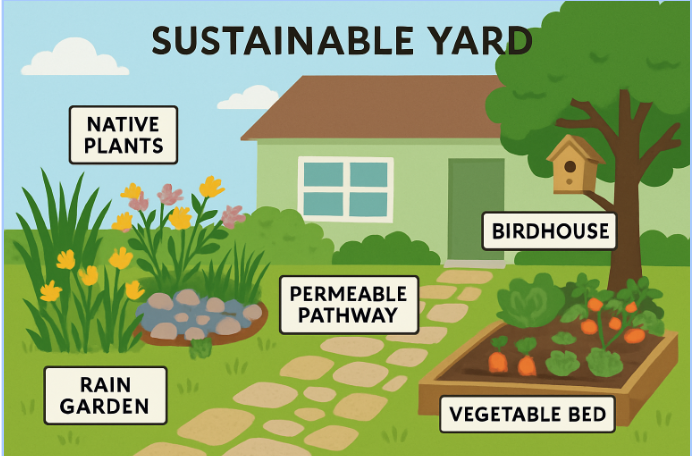
Opting for native and drought-tolerant plants is foundational to sustainable landscapes. Native plants are naturally adapted to the specific conditions of your region, requiring much less water, fertilizer, and maintenance than non-native species. This means less stress on water supplies, fewer chemical treatments, and a landscape that remains attractive year-round. In areas exposed to harsh climates, spiky yet beautiful natives such as yucca, agave, and various cacti flourish, attracting important pollinators and native insects and birds. Planting a diversity of natives not only boosts the vibrancy of your yard but can help stabilize local food chains, providing crucial habitats in an age of widespread habitat loss. By reducing your need for constant irrigation or chemical treatments, these plants safeguard groundwater and nurture the existing ecosystem. Homeowners get an attractive, low-maintenance yard that thrives year-round and supports a resilient local environment.
Efficient Water Management Techniques
Effective water management is crucial, especially in drought-prone regions or places facing potential water restrictions. Installing rain gardens, landscaped depressions that capture, filter, and slowly absorb stormwater, can turn a rainstorm into a resource rather than a runoff issue. These gardens capture stormwater from roofs, patios, or driveways, allowing it to seep into the ground naturally and recharge local aquifers, rather than flowing into storm drains and possibly causing erosion or flooding. When paired with smart irrigation systems that schedule watering based on real-time soil moisture sensor data and local weather patterns, homeowners can dramatically reduce water waste and avoid over- or under-watering plants. Drip irrigation and soaker hoses can deliver water more efficiently than traditional sprinklers, sending moisture directly to roots where it’s needed most. The EPA WaterSense Program is a helpful resource, offering more information on water-wise practices and devices that improve garden performance and contribute to a healthier watershed.
Embracing Organic Lawn Care
Traditional lawn care practices often rely heavily on synthetic fertilizers and pesticides, which can degrade soil health and pollute surrounding waterways. Over time, such chemicals strip the soil of its natural fertility, making lawns increasingly dependent on inputs and less resilient to pests or weather changes. Embracing organic lawn care means switching to slow-release organic fertilizers, rich compost, and natural amendments that feed the soil’s microbiome and encourage lush, green turf without harmful residues. Biological pest control, including beneficial nematodes, companion planting, and encouraging birds or insects that prey on unwanted pests, builds an environment where nature provides most of the pest control for you. Mulching grass clippings and fall leaves returns vital nutrients to the soil, saves time on disposal, and increases moisture retention. Composting and mulching not only nourish the lawn and garden but also divert yard waste from landfills, promoting a self-renewing landscape system that sustains itself year after year. In the long term, organic practices foster healthier plants, richer soil, and a landscape that can better withstand drought, disease, and climate fluctuations.
Integrating Edible Landscaping
Edible landscaping is gaining traction among homeowners keen on blending form and function in their yards. By creatively planting fruit trees, herbs, berries, leafy greens, or even perennial vegetables as part of your overall landscape design, you transform once purely ornamental spaces into productive gardens. The result is a yard that not only looks beautiful but also provides nutritious, homegrown produce, often with far fewer chemicals than grocery-store alternatives. Edible plants can be incorporated into ornamental beds, used as borders, or trained onto trellises and fences—allowing gardens of all sizes to contribute to the household table. This local food production reduces your reliance on supermarket supply chains, cutting transportation emissions and packaging waste while encouraging seasonal eating and a deeper connection to nature’s rhythms. Involving children in planting, tending, and harvesting from the yard can help foster lifelong food literacy and healthy habits, making your home landscape more interactive, enjoyable, and productive.
Utilizing Eco-Friendly Materials
The choice of materials in landscaping is just as important as the choice of plants. Traditional hardscape materials, such as concrete and certain bricks, can have high energy and water footprints from manufacturing and transportation. Opting instead for recycled concrete, locally sourced stone, reclaimed wood, or permeable pavers supports sustainability by reducing carbon emissions and resource depletion. Permeable pavers, for example, allow rainwater to filter through, minimizing runoff and helping manage stormwater on-site. These materials are long-lasting and durable, often requiring less frequent replacement, reducing long-term costs and ecological impacts. Repurposing items, like turning broken concrete into stepping stones or using salvaged wood for raised beds, adds unique character to outdoor spaces, giving every landscaping project a personal story. By making thoughtful material choices, homeowners can build outdoor environments that are environmentally sound and visually distinctive.
Enhancing Biodiversity
Healthy landscapes support a wide variety of life, from the roots in the soil to the birds overhead. By mixing different plant types, flowering perennials, ornamental grasses, native shrubs, and trees, you build a layered habitat that provides food and shelter for birds, beneficial insects, amphibians, and small mammals. Adding features like birdhouses, bee hotels, butterfly puddling stations, or small brush and log piles creates microhabitats for nesting, overwintering, or foraging. Such measures encourage natural pollinators and pest controllers to take up residence in your yard, supporting both beauty and ecosystem function. These diverse ecosystems weather disturbances, such as pest or disease outbreaks, better than monoculture lawns, and they contribute positively to air, soil, and water quality through natural biological processes. Encouraging native wildlife fosters a landscape that not only thrives year-round but also builds resilience against environmental pressures and helps address broader ecological challenges.
Implementing Smart Technology
Technology is rapidly changing the way we manage our lawns and gardens for the better. Recent innovations include app-controlled irrigation systems that water only when soil sensors indicate it’s needed, reducing waste, as well as weather-based controllers that skip watering on rainy days. Solar-powered outdoor lighting provides ambiance without increasing energy bills, harnessing the sun’s energy while reducing greenhouse gas emissions. Robotic mowers with artificial intelligence can mow efficiently on set schedules, eliminating gas emissions and the need for human labor. These tools not only make it easier to implement sustainable practices, but they also ensure optimal resource use and add convenience to busy lifestyles. By strategically deploying smart technologies, homeowners can maintain lush, attractive landscapes while conserving energy, water, and their own time.
Conclusion
Sustainable landscaping is both a responsibility and an opportunity to positively impact the environment and our communities. By incorporating practices such as using native plants, managing water efficiently, adopting organic methods, integrating edible gardens, choosing sustainable materials, promoting biodiversity, and leveraging smart technologies, homeowners set an example of environmental stewardship and create outdoor spaces that thrive for years to come. Adopting these changes not only benefits the planet but brings beauty, productivity, and resilience to your home environment, serving as an inspiring model for friends, neighbors, and future generations.