

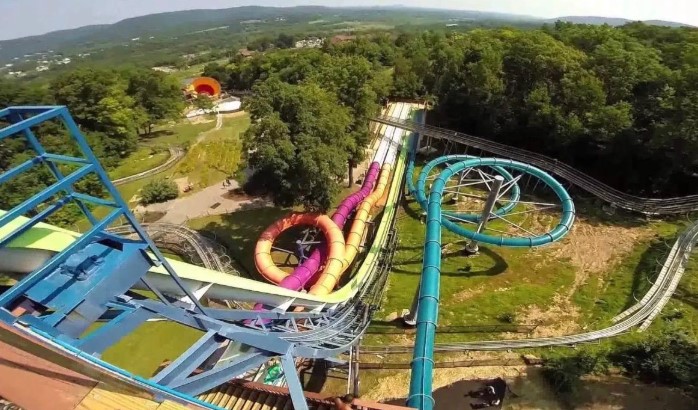
Introduction
The story of class action park is one of the most fascinating and controversial chapters in amusement park history. Known for its chaotic rides, minimal safety standards, and unforgettable visitor experiences, this legendary park has captured public imagination for decades. Located in Vernon Township, New Jersey, Action Park became infamous not just for its daring attractions but also for the numerous injuries, lawsuits, and stories that surrounded it.
The nickname class action park was not official, but it perfectly described the park’s reputation. Visitors often joked that attending the park meant risking injury, and many of those jokes were rooted in real incidents. Despite its dangers, the park maintained a loyal following and continues to be remembered as one of the most unique entertainment destinations ever created.
This article explores the origins, attractions, controversies, legal issues, and lasting legacy of class action park, providing a complete and detailed understanding of why it still fascinates people today.
The Origins of Action Park
To understand class action park, it’s important to start with how it all began. The park was opened in 1978 by entrepreneur Gene Mulvihill, who had a vision of creating a different kind of amusement park. Unlike traditional parks that focused on controlled experiences, his idea emphasized freedom, thrill, and user participation.
Action Park was divided into three main areas:
- Alpine Center
- Motorworld
- Waterworld
Each section offered activities that were far more intense than what visitors would typically find in other parks. Instead of simply sitting on rides, guests were often in control of their own speed, direction, and safety—something that contributed heavily to the park earning the nickname class action park.
What Made Class Action Park Unique
The uniqueness of class action park came from its design philosophy. While most amusement parks carefully engineered their rides with strict safety guidelines, Action Park often pushed boundaries without fully considering the risks involved.
Key Characteristics
- User-Controlled Rides: Visitors controlled speed and direction in many attractions.
- Minimal Safety Oversight: Safety standards were not as strict as modern parks.
- Experimental Designs: Many rides were built without extensive testing.
- High-Risk Thrills: Attractions often involved real danger, not just simulated excitement.
This combination created an environment that was both exhilarating and hazardous, contributing to the park’s legendary reputation.
Famous Attractions at Class Action Park
One of the main reasons class action park became so well-known was its unforgettable attractions. Some of these rides were innovative, while others were downright dangerous.
The Alpine Slide
The Alpine Slide allowed visitors to ride down a concrete track on small sleds. Riders controlled their speed using a lever, which often led to accidents when people lost control. Scrapes and injuries were common, and the ride became one of the defining features of class action park.
The Cannonball Loop
Perhaps the most infamous ride, the Cannonball Loop was a water slide with a full vertical loop. Riders would slide down at high speed and attempt to complete the loop. Reports of injuries and unsafe conditions quickly surfaced, and the ride was eventually shut down.
The Wave Pool
Nicknamed the “Grave Pool,” this attraction generated powerful waves that were far stronger than typical wave pools. Lifeguards frequently had to rescue struggling swimmers, and multiple incidents were reported here, reinforcing the reputation of class action park.
Motorworld
Motorworld featured go-karts and other motorized vehicles that guests could drive with minimal restrictions. Collisions were common, adding another layer of risk to the overall experience.
Accidents and Controversies
The reputation of class action park was largely shaped by the number of accidents that occurred there. While exact figures are debated, it is widely acknowledged that injuries were frequent.
Common Types of Incidents
- Cuts and abrasions from the Alpine Slide
- Water-related injuries in the wave pool
- Collisions in Motorworld
- Structural issues with certain rides
These incidents led to increasing scrutiny from authorities and contributed to the park’s nickname, class action park.
Legal Issues and Lawsuits
The name class action park itself reflects the legal troubles that plagued the park. Numerous lawsuits were filed by injured visitors, and the park faced ongoing legal challenges.
Why So Many Lawsuits?
- Lack of proper safety measures
- Insufficient staff training
- Risky ride designs
- Limited enforcement of rules
Insurance companies reportedly struggled to cover the park due to its high-risk nature. Over time, these legal pressures became a major factor in the park’s decline.
Public Perception and Media Attention
Despite its dangers, class action park developed a cult following. Many visitors saw it as a rite of passage, especially teenagers and young adults looking for excitement.
Media coverage often highlighted both the thrilling and dangerous aspects of the park. Stories about injuries, daring rides, and unusual experiences spread widely, turning the park into a cultural phenomenon.
The Decline and Closure
By the mid-1990s, the issues surrounding class action park had become too significant to ignore. Increased regulation, mounting lawsuits, and financial challenges forced the park to close in 1996.
Although it was later reopened under a different name, the original spirit of Action Park was never fully recreated. The era of class action park had come to an end, but its legacy continued to grow.
Timeline of Key Events
| Year | Event |
|---|---|
| 1978 | Action Park opens |
| 1980s | Peak popularity and rising incidents |
| Early 1990s | Increased legal scrutiny |
| 1996 | Original park closes |
| Later Years | Rebranding and partial reopening |
Cultural Legacy of Class Action Park
The story of class action park did not end with its closure. Over time, it became a symbol of a different era—one where risk-taking and freedom were prioritized over strict safety standards.
Documentaries and Stories
The park has been featured in documentaries, books, and online discussions. Many former visitors share their experiences, often describing a mix of excitement and danger.
Nostalgia Factor
For those who visited, class action park represents a unique and unforgettable time. Despite its flaws, it holds a special place in the memories of many people.
Lessons Learned from Class Action Park
The rise and fall of class action park offers important lessons for the amusement industry.
Improved Safety Standards
Modern parks have significantly stricter safety regulations. Rides are thoroughly tested, and operators are carefully trained to ensure visitor safety.
Risk Management
The park highlighted the importance of balancing thrill with safety. Today’s parks aim to provide excitement without exposing guests to unnecessary danger.
Legal Accountability
The numerous lawsuits associated with class action park demonstrate the importance of accountability in the entertainment industry.
Why People Still Talk About Class Action Park
Even decades after its closure, class action park continues to be a topic of discussion. Its combination of thrill, danger, and controversy makes it stand out in the history of amusement parks.
Key Reasons for Its Lasting Fame
- Unusual and risky ride designs
- High number of incidents
- Strong word-of-mouth reputation
- Media coverage and documentaries
The park’s story is both a cautionary tale and a source of fascination.
Comparing Class Action Park to Modern Parks
Modern amusement parks are very different from class action park. Today’s parks focus on safety, consistency, and controlled experiences.
Key Differences
- Strict safety regulations vs. minimal oversight
- Professional ride engineering vs. experimental designs
- Controlled environments vs. user-driven risks
These differences highlight how much the industry has evolved since the days of class action park.
The Psychology Behind Its Popularity
The appeal of class action park can also be explained through psychology. People are naturally drawn to risk and excitement, especially when it feels authentic.
Visitors knew the park was dangerous, which added to its allure. The sense of unpredictability made each visit unique, creating stories that people would share for years.
Conclusion
The story of class action park is unlike anything else in the world of entertainment. From its daring attractions to its numerous controversies, it represents a bold and risky approach to amusement that would not be acceptable today.
While the park faced serious issues, including injuries and lawsuits, it also created unforgettable experiences for those who visited. Its legacy continues to influence how amusement parks are designed and operated, emphasizing the importance of safety while still delivering excitement.
In the end, class action park stands as both a cautionary tale and a fascinating chapter in history. It reminds us that innovation and risk must be balanced carefully, especially when public safety is involved. Even today, the legend of class action park lives on, capturing the imagination of new generations and ensuring that its story will never be forgotten.
Read More:- Home Depot Damage Protection Class Action: Full Legal Guide